Environment

Articles noting ways the environment can be affected.

Florida turf at resort

Fertilizing Before the Cutoff: How Florida Landscapers Should Prepare Turf Ahead of June 1st

In many parts of Florida, June 1 marks the beginning of seasonal fertilizer restrictions tied to the summer rainy season. For professional landscapers, that date isn’t just a regulatory checkpoint—it’s a planning deadline.

What happens before June 1 plays a major role in how turf performs through the most challenging months of the year.

Fertilizing Before the Cutoff: How Florida Landscapers Should Prepare Turf Ahead of June 1st Read Post »

More organic is represented by a green arrow going up. Less salt is represented by a blue arrow pointing down.

More Organic Matter = Less Salt

When evaluating turf fertilizers, many assume that higher NPK numbers—like 28-5-12—deliver better results. But higher analysis doesn’t always mean better performance. In fact, it often means higher salt content. A more effective approach focuses on nutrient efficiency, not just concentration. High NPK Fertilizers vs. Organic Matter-Based Fertilizers Traditional high-nitrogen fertilizers rely on concentrated synthetic salts

More Organic Matter = Less Salt Read Post »

Nutrients PLUS® provides testimony to USDA

Regarding access to fertilizer–competition and supply chain concerns John J. Moriarty, president of Nutrients PLUS®, a Virginia Beach-based limited liability company and industry leader in processing biosolids to fertilizer products, submitted testimony to the United States Department of Agriculture (USDA) regarding Enhanced Efficiency Fertilizers sourced, produced, marketed, and distributed using organic nutrients obtained from biosolids

Nutrients PLUS® provides testimony to USDA Read Post »

North Carolina’s water quality in danger due to excess nutrients

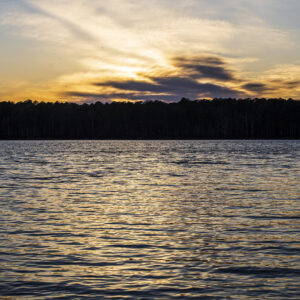
Stories about water quality have dominated the news lately. While lead and other toxins are dangerous additions to our drinking water systems, they are not the only dangers. Case in point, B. Everett Jordan Lake in North Carolina’s Research Triangle. The lake is a man-made reservoir created by the construction of the self-named dam across

North Carolina’s water quality in danger due to excess nutrients Read Post »

Scroll to Top